Effective management involves more than assigning tasks, monitoring deadlines, and evaluating employee performance. A successful manager creates an environment where employees understand their responsibilities, feel supported, and have opportunities to develop professionally. Strong management also requires balancing organizational objectives with individual needs while maintaining accountability and consistent communication.
Learning how to be a good manager is essential for professionals who supervise employees, lead departments, or manage business operations. Although management styles differ across industries, effective leaders generally share important qualities, including clear communication, sound judgment, adaptability, and respect for their teams. These skills help managers address workplace challenges while encouraging employees to perform at their best.
Whether you recently received a promotion or have managed employees for years, improving your leadership approach can strengthen team relationships and workplace productivity. The following strategies explain how managers can build trust, delegate responsibilities, handle difficult situations, and create a more productive working environment.
Establish Clear Expectations And Team Goals
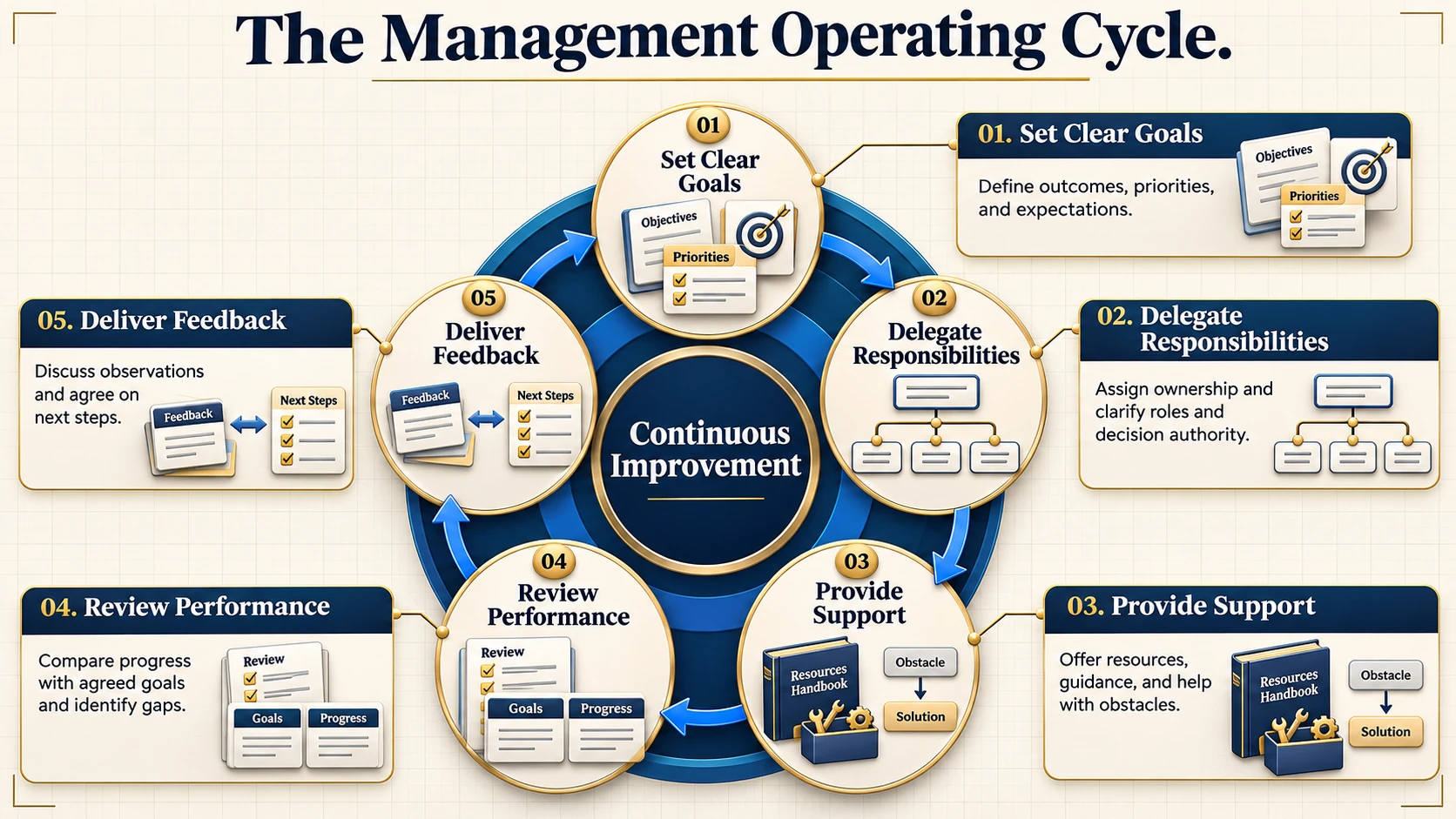
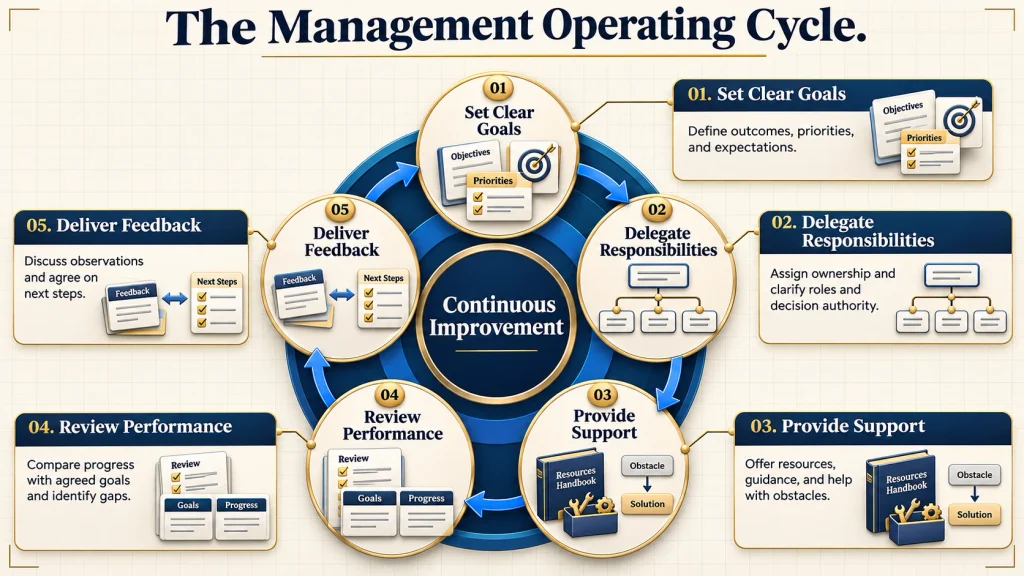
Employees perform more effectively when they understand what their managers expect from them. Clear expectations should include job responsibilities, performance standards, project deadlines, and measurable objectives. Managers should explain how individual assignments contribute to broader organizational goals rather than simply distributing tasks. Regular discussions about priorities can prevent confusion, especially when employees handle multiple responsibilities. Establishing realistic goals also helps teams organize their workloads and recognize which activities require immediate attention.
One important aspect of learning how to be a good manager is ensuring that expectations remain achievable and consistent. Goals should reflect available resources, employee capabilities, and business priorities. Managers can use regular check-ins to review progress, identify obstacles, and adjust assignments when circumstances change. When employees understand how their performance will be evaluated, they can approach their work with greater confidence. Clear direction also reduces unnecessary supervision because team members know what successful completion looks like.
Communicate Openly And Listen To Employees
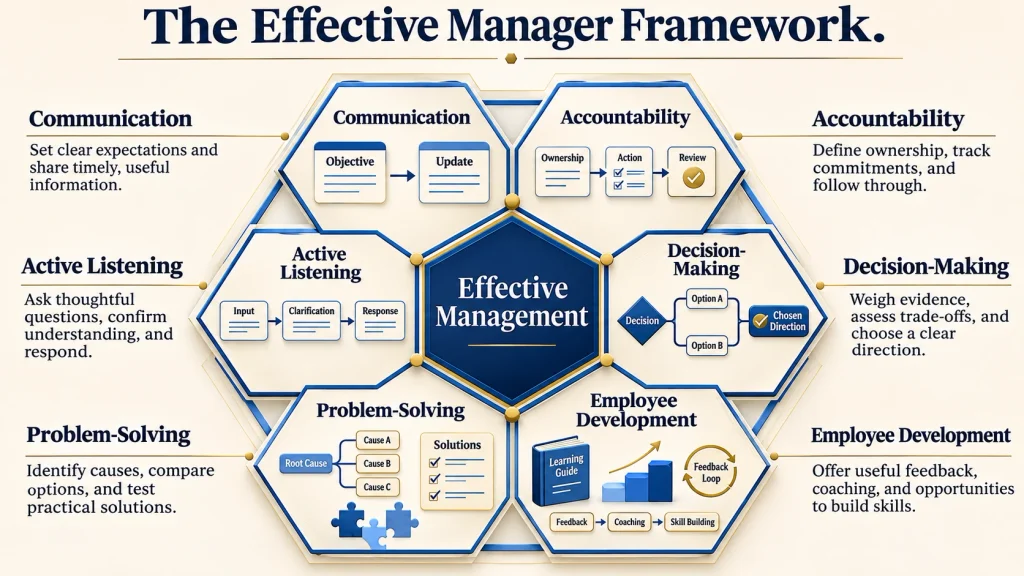
Communication is one of the most valuable skills a manager can develop. Employees need timely information about projects, organizational changes, and workplace expectations. Managers should communicate instructions clearly, explain important decisions, and encourage questions when something is unclear. However, effective communication involves listening as much as speaking. Employees often have practical insights into daily operations, customer concerns, and problems that leadership may not immediately recognize. Taking their feedback seriously can improve decisions and strengthen working relationships.
Understanding how to be a good manager also means adapting communication methods to different situations. Some conversations require private meetings, while routine updates may be handled through email or team discussions. Managers should avoid unnecessary meetings and provide information through channels that suit the task. Active listening involves allowing employees to explain their concerns without interruption and asking questions before concluding. When team members feel comfortable sharing ideas and reporting problems, managers can address issues earlier and maintain a more cooperative workplace.
Build Trust Through Fairness And Accountability
Trust develops when managers demonstrate honesty, consistency, and respect in their everyday decisions. Employees pay attention to whether supervisors keep commitments, apply workplace policies fairly, and acknowledge mistakes. Managers who frequently change expectations without explanation or treat employees differently may damage morale. Building trust requires transparent communication about decisions, especially when those decisions affect workloads, schedules, or professional opportunities. Employees do not need to agree with every management decision, but they should understand the reasoning behind important changes.
Accountability is equally important because managers influence workplace behavior through their own actions. A supervisor who expects punctuality, professionalism, and careful work should demonstrate those qualities personally. When mistakes occur, managers should focus on identifying causes and developing solutions rather than assigning blame automatically. Learning how to be a good manager involves accepting responsibility for leadership decisions while holding employees to reasonable standards. This balanced approach encourages employees to take ownership of their responsibilities without fearing unfair criticism whenever challenges arise.
Delegate Responsibilities And Encourage Independence
Effective delegation allows managers to distribute work according to employee skills, experience, and development needs. Rather than attempting to control every detail, managers should identify suitable responsibilities and provide the resources necessary for completion. Delegation also creates opportunities for employees to develop confidence, improve decision-making, and prepare for additional responsibilities. Before assigning a task, explain the expected outcome, relevant deadlines, and any limitations on authority. Employees should know when they can make decisions independently and when they need approval.
A common management mistake is confusing delegation with abandoning responsibility. Managers remain accountable for team outcomes and should provide guidance when employees encounter difficulties. However, excessive supervision can discourage initiative and slow progress. Understanding how to be a good manager requires finding a balance between oversight and independence. Regular progress discussions can help identify obstacles without interrupting employees unnecessarily. When managers trust team members to complete appropriate assignments, they create more time for planning, coaching, and addressing broader organizational priorities.
Provide Constructive Feedback And Recognize Good Work
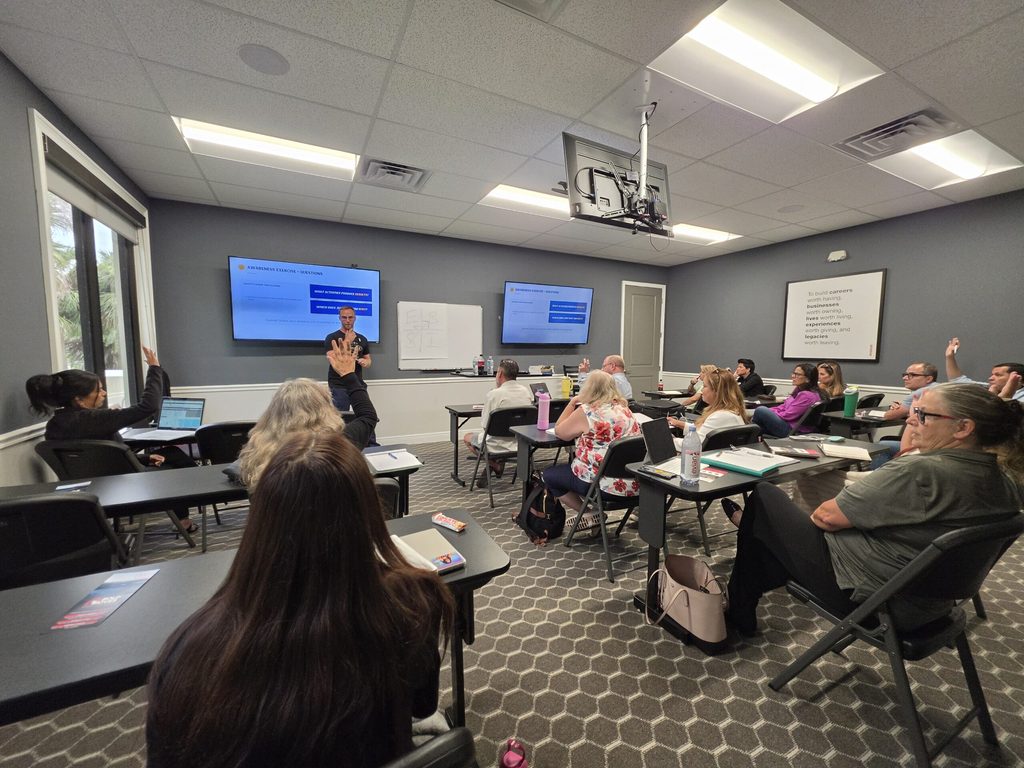
Employees need feedback to understand their strengths and identify opportunities for improvement. Effective managers provide specific observations rather than vague criticism or occasional performance ratings. When addressing a problem, explain what happened, why it matters, and what improvement is expected. Feedback should focus on observable actions rather than personal characteristics. Private conversations are generally appropriate for sensitive performance concerns, while recognition can be shared publicly when employees are comfortable with that approach. Regular discussions also prevent minor issues from becoming larger problems.
Recognition is just as important as corrective feedback. Employees appreciate knowing that their contributions make a difference, particularly when managers acknowledge specific achievements. The U.S. Office of Personnel Management provides guidance on employee performance management, including setting expectations, monitoring progress, evaluating performance, and recognizing accomplishments. Learning how to be a good manager means making feedback part of everyday leadership rather than reserving it for annual reviews. Consistent recognition and useful guidance can encourage employees to improve their performance, strengthen workplace relationships, and remain invested in their work.
Resolve Workplace Conflicts And Support Employee Development
Disagreements can arise when employees have different working styles, priorities, or expectations. Managers should address conflicts promptly before they affect collaboration or productivity. Effective conflict resolution begins with listening to everyone involved, identifying the underlying issue, and separating facts from assumptions. Managers should avoid taking sides without sufficient information and focus on solutions that reflect workplace policies and professional standards. Serious concerns involving harassment, discrimination, or safety should follow appropriate organizational reporting procedures rather than informal mediation alone.
Supporting employee development is another important leadership responsibility. Managers can identify skill gaps, recommend training, provide mentoring, and create opportunities for employees to accept new challenges. Career development conversations should consider both organizational needs and individual ambitions. Professionals interested in strengthening their leadership approach can explore professional development insights for additional perspectives. Understanding how to be a good manager includes recognizing that employees need opportunities to grow, not simply instructions for completing their current responsibilities. Investing time in development can strengthen team capabilities and improve long-term performance.
Conclusion
Effective management depends on communication, fairness, accountability, and a genuine commitment to employee development. Understanding how to be a good manager involves establishing clear expectations, delegating responsibilities, providing useful feedback, and addressing workplace challenges constructively. These practices help employees understand their roles while creating a more supportive and productive environment.
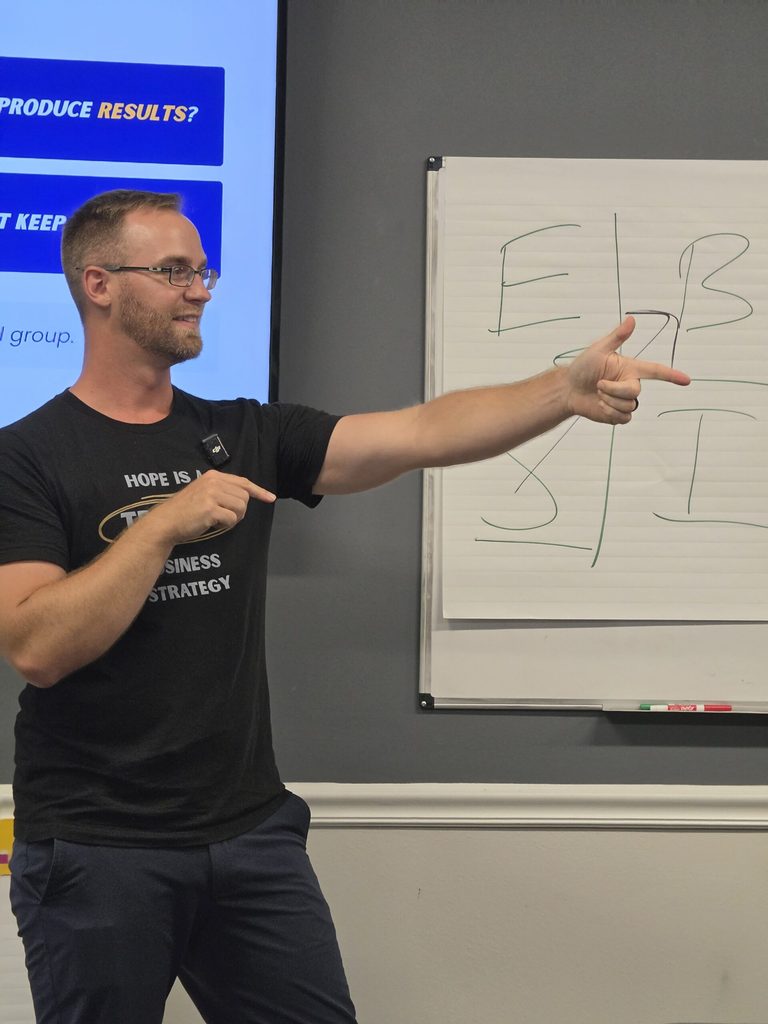
Strong managers also recognize that leadership skills require continuous improvement. Listening to feedback, evaluating decisions, and adapting to changing team needs are important parts of professional growth. Coach Devin Hazen offers additional perspectives on professional development and leadership. By combining clear direction with respect, consistency, and practical support, managers can build stronger relationships and help their teams achieve meaningful results.