Private coaching built entirely around one business. We find the constraint that is actually holding production down, rebuild the week around the activities that fix it, and hold the standard until it stops needing willpower.
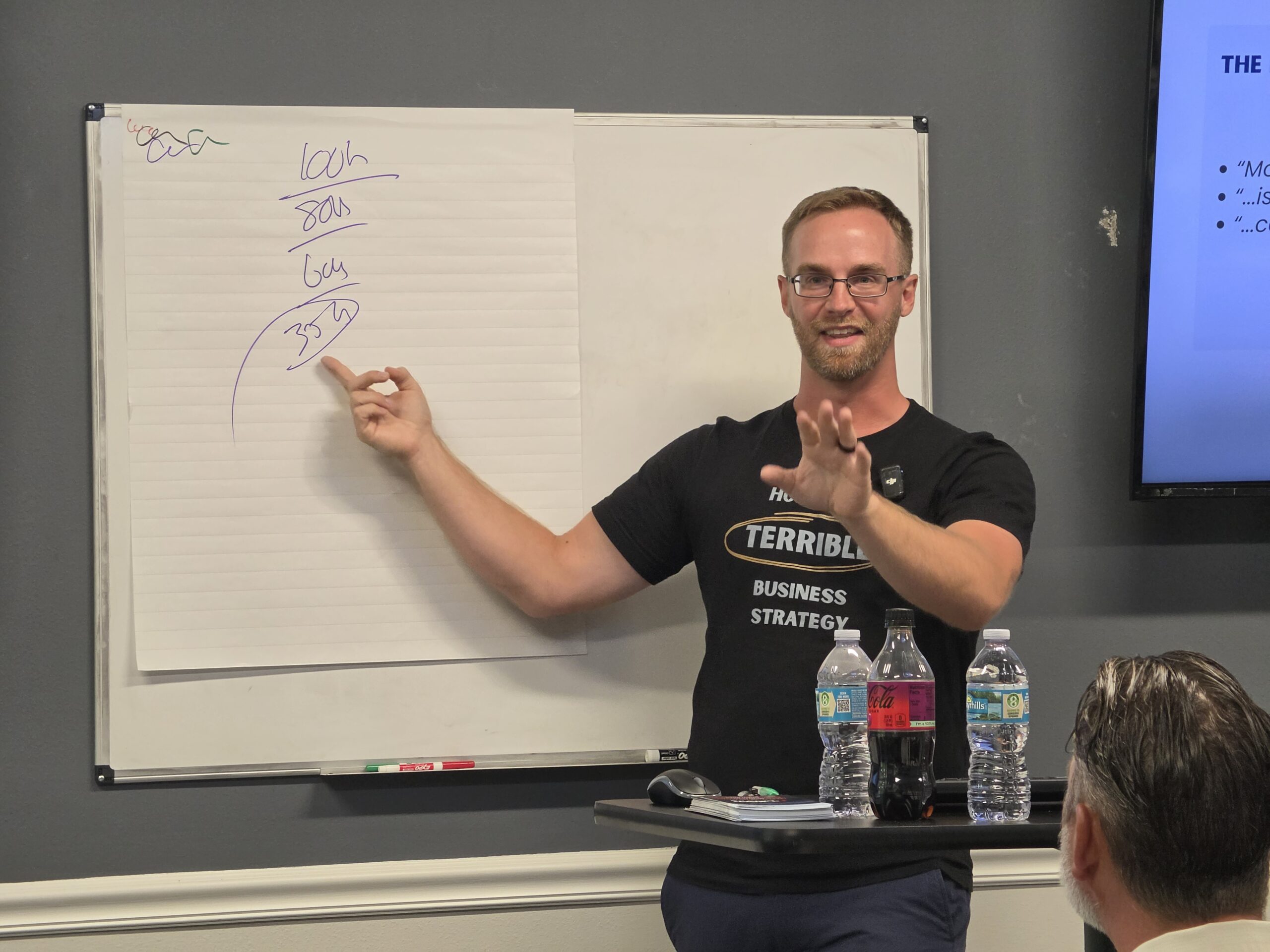
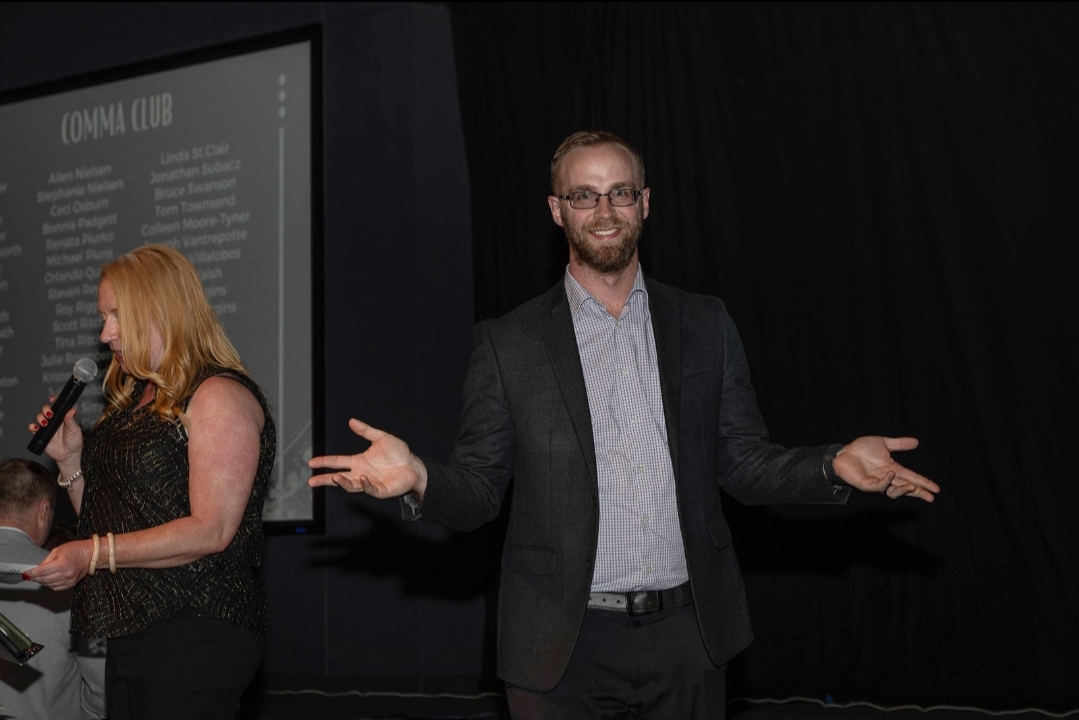
You work with Devin directly. Not an associate, not a script, not a coach you have never heard of.
Why leaders choose this
Most coaching tells you what worked in 2016.
The coaching industry is full of people who stopped selling a long time ago and are still teaching the market that made them. That advice is not wrong. It is just old, and old advice costs you a season to find out.
Devin took listings this month. He leads an office. He is licensed in Georgia and works with partners in all fifty states, and he is still in the Top 1 percent while doing all of it. When he tells you a conversation works, he had that conversation recently.
There is no associate coach, no assigned tier, no call center. The person on your weekly call is the person whose name is on the door.
There is no curriculum to sit through
Nothing gets taught because it is week four of the program. The audit decides what comes first, and if your database is the problem, week one is the database.
He will tell you no
Roughly one first call in five ends with Devin saying coaching is not what you need right now, and pointing you somewhere else. That is the whole business model.
Who it is for
Read these and see if one of them stings.
One to one is the most focused way to work with Devin. It fits best when the business has a specific problem that deserves a specific plan, and these are the three that walk in the door most often.
Stuck at the same number
Three years at roughly the same production, and every one of them took more hours than the last. You are not lazy and you are not bad at this. The week is just full of the wrong work.
First thing we fix
The four hours a week that create next year, and the twenty that are quietly eating them.
Drowning in your own success
More business than one person can serve well. You have been meaning to hire for a year, and you still cannot say what the first person would actually do all day.
First thing we fix
Your real dollar per hour, then the hire that number justifies. Usually earlier than it feels.
Suddenly leading people
You went from producing to leading and found out fast that the skills that built the business are not the ones that scale it. Now you are the bottleneck for five other people.
First thing we fix
Your actual role, the standard the team is held to, and the rhythm that makes it run without you.
How it runs
A rhythm, not a pep talk.
Coaching runs in ninety day blocks, because that is the shortest honest window to change how a business operates and see it show up in production.
Inside each block the cadence is simple and predictable, so the coaching fits around a real estate schedule instead of competing with it.
At the start
The deep audit
Your last ninety days of production, where the hours actually went, the state of your database, and the one constraint that matters most.
Every week
The accountability call
Numbers first, then the plan. What got done, what did not, what is in the way, and exactly what happens before the next call.
In between
Your scoreboard
Conversations, appointments and contracts tracked weekly, so decisions come from your ratios instead of your mood.
At ninety days
The block review
What moved, what did not and why. Then the next ninety days get mapped while the lessons are still fresh.
What we work on
Whatever is actually in the way.
There is no fixed curriculum in one to one coaching. These are the areas that come up most, and the audit decides which ones come first.
The operating week
A calendar designed around production, with the business building hours protected like a closing appointment.
Database and sphere
Turning a contact list that went cold into a route you work every week, with a reason to call every person on it.
Lead generation
One or two channels chosen for your personality and market, run consistently instead of six run occasionally.
Listing presentations
Pricing conversations, objection handling and a presentation that wins the listing without cutting the commission.
Follow up and conversion
Closing the gap between the day most agents give up and the day the client is actually ready to move.
Money and margin
Your real dollar per hour, what the business costs to run, and where profit is quietly leaking out.
Leverage and hiring
What to hand off, in what order, and how to know the numbers support the hire before you make it.
Mindset and standards
The daily non negotiables that keep production steady through a slow month, a lost deal or a shifting market.
The honest part
What actually stops people from calling.
Nobody hesitates because they think their business is running well. They hesitate for one of these four reasons, so here they are answered before you have to say them out loud.
I have tried coaching before and it did not stick.
Almost every agent Devin works with has. What usually failed was not the advice, it was that nothing in the week changed to make room for it. A plan that sits on top of a full calendar is a plan that dies in week three.
The first thing that changes here is the calendar. Everything else is downstream of that.
I do not have time for another commitment.
That is the symptom, not the objection. The weekly call is the shortest thing on your calendar and it is the reason the other things start fitting.
If the week genuinely has no room, that is the exact problem worth paying to solve.
I should get my numbers up first, then hire a coach.
That is like waiting to feel better before seeing the doctor. If the plan to get the numbers up was working, it would be working.
The cheapest version of this is one twenty minute call where Devin names the constraint. You can take that away and fix it yourself.
I am not sure I can justify the cost.
Fair, and Devin will not quote a number before understanding the problem. What the call does is turn the question into arithmetic: here is the constraint, here is roughly what it is costing you a year, here is what fixing it takes.
Still not obvious? Say so on the call. Devin has moved plenty of people from one to the other after twenty minutes, in both directions, and it costs nothing to be wrong about it at that stage.
He is very knowledgeable in real estate. He makes sure to be very professional, as well as work with you on a personal level. Devin values his time and yours.
Yes. Calls are virtual, so agents anywhere in the country can work with Devin directly. The systems are not market specific, because the constraint almost never is.
You work the plan. Your numbers are tracked weekly, and a quick question about a live deal or a hard conversation does not have to wait for the next call.