Starting a real estate career takes more than an interest in houses or a willingness to work independently. Learning how to get into real estate begins with choosing a suitable role, checking its requirements, planning your expenses, and finding support. For an aspiring agent, the goal is to prepare for the work behind each transaction, not simply pass an exam and wait for clients.
Start by examining your strengths and the time you can realistically commit. Do you enjoy explaining complicated information, meeting unfamiliar people, and following through on detailed tasks? Would you prefer client-facing sales or an operational role? Those questions can help you choose a starting point that fits. This guide focuses on entering the U.S. industry, especially the practical decisions involved in starting an agent career. You can explore the industry gradually while testing whether the daily responsibilities suit your interests and your existing commitments.
How To Get Into Real Estate With A Clear Career Goal
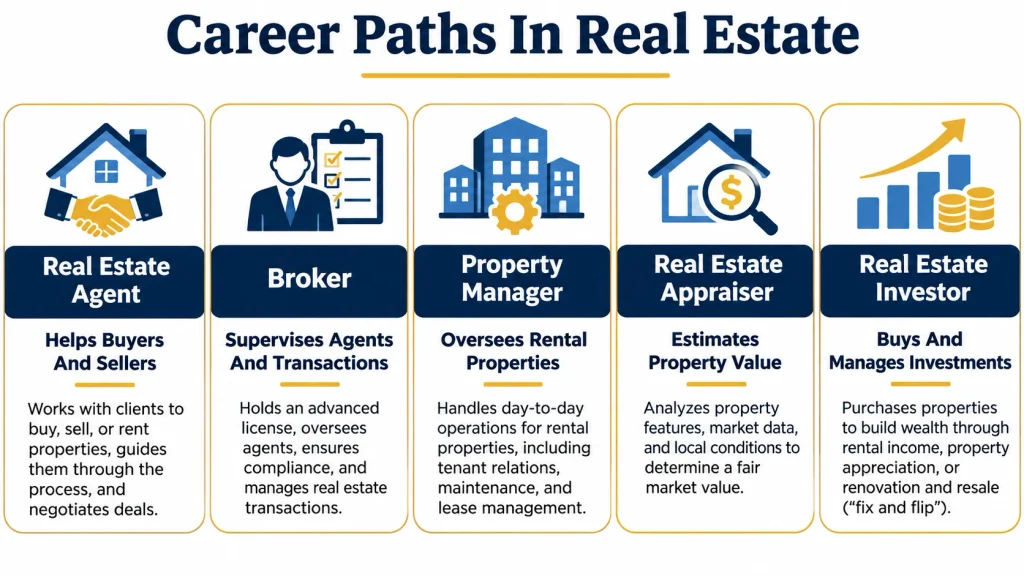
Deciding how to get into real estate starts with understanding the work. Sales agents help clients buy, sell, and rent property. Their responsibilities can include prospecting, researching prices, arranging showings, negotiating terms, and preparing transaction documents. The job involves much more than touring attractive homes or posting listings online.
Compare that work with the activities you already enjoy. Someone comfortable with conversations and uncertain outcomes might explore sales. Someone who prefers organized processes could investigate brokerage support or property operations. Read actual job descriptions and ask employers which duties require a license. Do not assume every position within a real estate office has the same entry requirements.
Before deciding how to get into real estate, speak with people doing the jobs that interest you. Ask what fills their calendar, what they found difficult initially, and which skills they use most. A conversation about an ordinary working week can help you evaluate the career more realistically than a presentation focused on exceptional earnings. Write down what appeals to you and what needs further investigation.
Check Licensing Requirements Before Choosing A Course
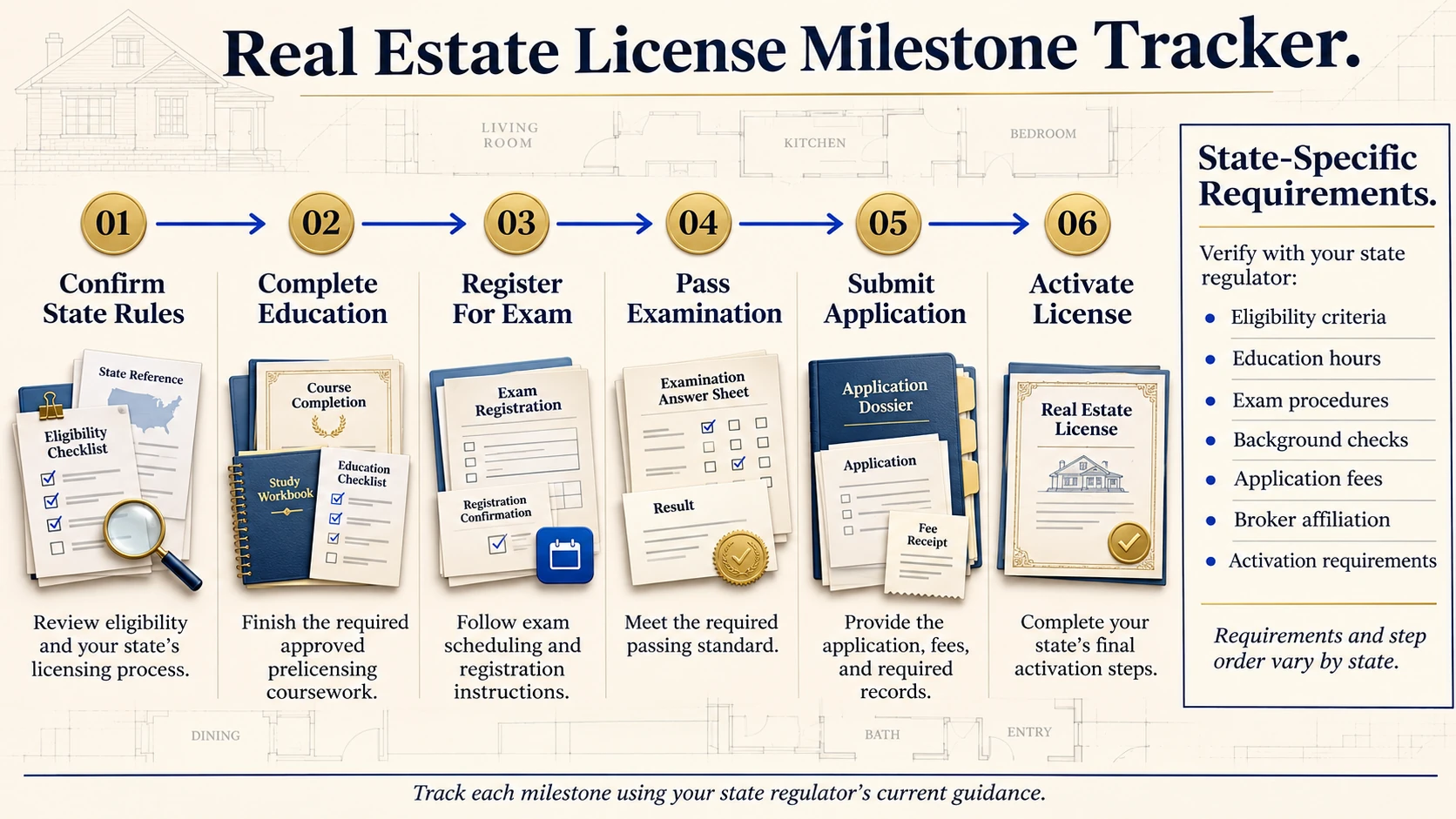
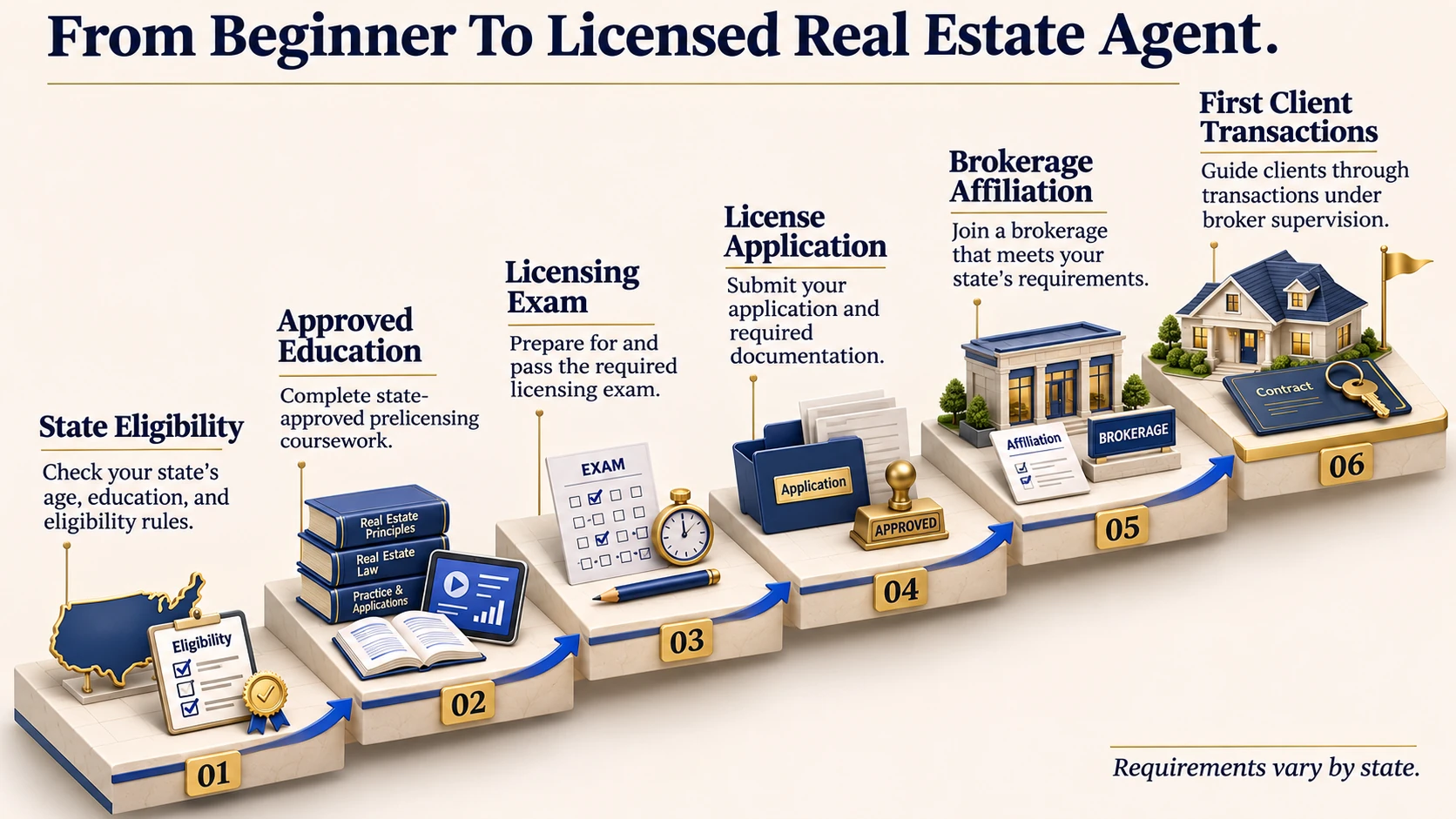
Licensing is a state-level process, so check the regulator for the state where you plan to practice. U.S. real estate sales agents must be licensed, but education, eligibility, examinations, and other requirements vary. A college degree is generally not required for entry into this occupation. Verify your own state’s rules rather than relying on a national checklist.
Build your study schedule around those verified requirements. Confirm course approval, access periods, examination arrangements, and application deadlines before enrolling. Keep completion records together and ask the regulator about anything unclear. Learning how to get into real estate should include checking when you are legally authorized to work, not assuming that finishing a course immediately permits you to represent clients.
Plan Your Expenses Before Depending On Commissions
Sales income can be irregular, particularly for beginners, and agents may go weeks or months without a sale. Bureau of Labor Statistics For that reason, planning how to get into real estate should include a household budget alongside the professional one. Avoid building your plan around a first commission arriving on a particular date or immediately replacing your current income.
Request actual costs instead of using a broad estimate from someone else’s market. Check education and licensing charges, then ask prospective brokerages about their fees and included services. Investigate technology, insurance, transportation, marketing, and any membership or listing-service expenses relevant to your arrangement. Separate one-time expenses from ongoing commitments so you can see what the business may require each month. Ask what you must pay before starting and what becomes due only after a transaction.
You do not need to purchase every available tool immediately. Start with what your brokerage requires and what helps you perform essential tasks. Anyone considering how to get into real estate while keeping another job should also review scheduling carefully. Decide how you would handle client appointments, training, and urgent questions without making commitments you cannot reliably keep.
Compare Brokerage Support Rather Than Commission Splits Alone
Sales agents work with a broker, and training arrangements differ between companies. Choosing that environment deserves careful attention when deciding how to get into real estate. Compare several offices and ask each one to describe how a new agent learns the work. A recognizable name or attractive compensation arrangement does not tell you who will answer your questions.
Ask for specific examples of support. Who reviews your first offer? Can you observe consultations with permission? Is there scheduled training on contracts, client communication, and local procedures? Find out whether mentoring carries separate charges and how quickly help is available. Ask newer agents about their experience, rather than relying entirely on the recruiting conversation or a list of software features. A clear answer should name the person responsible and explain how you can reach them when a problem needs attention.
Request a written explanation of fees, commission arrangements, training responsibilities, and expectations before committing. Think about how to get into real estate with access to experienced guidance, not simply the largest advertised commission share. The related guide to building a successful real estate career explores the routines, communication habits, and client-service skills worth discussing with a prospective brokerage.
Learn Your Market Through Specific Property Examples
Local market knowledge is part of an agent’s work. Bureau of Labor Statistics Begin with an area small enough to study carefully rather than trying to master an entire region. Review available homes, recent sales, price changes, and property features through resources you are authorized to access. Keep notes about the questions you cannot yet answer and discuss them with your broker or mentor.
A practical exercise for learning how to get into real estate is comparing three similar properties. Look at their condition, layout, location, and available sales information. Write a short explanation of their differences without claiming a certain sale price. Then ask an experienced professional to challenge your reasoning. This turns market research into practice explaining evidence rather than memorizing a collection of numbers.
Use the same approach with transaction knowledge. Walk through sample paperwork under supervision and practice explaining the sequence of a purchase or sale. Identify where you would refer a question to a lender, attorney, inspector, or broker. Knowing how to get into real estate includes recognizing the limits of your knowledge and learning how to find reliable answers without guessing.
Build Relationships And A Simple Follow-Up System
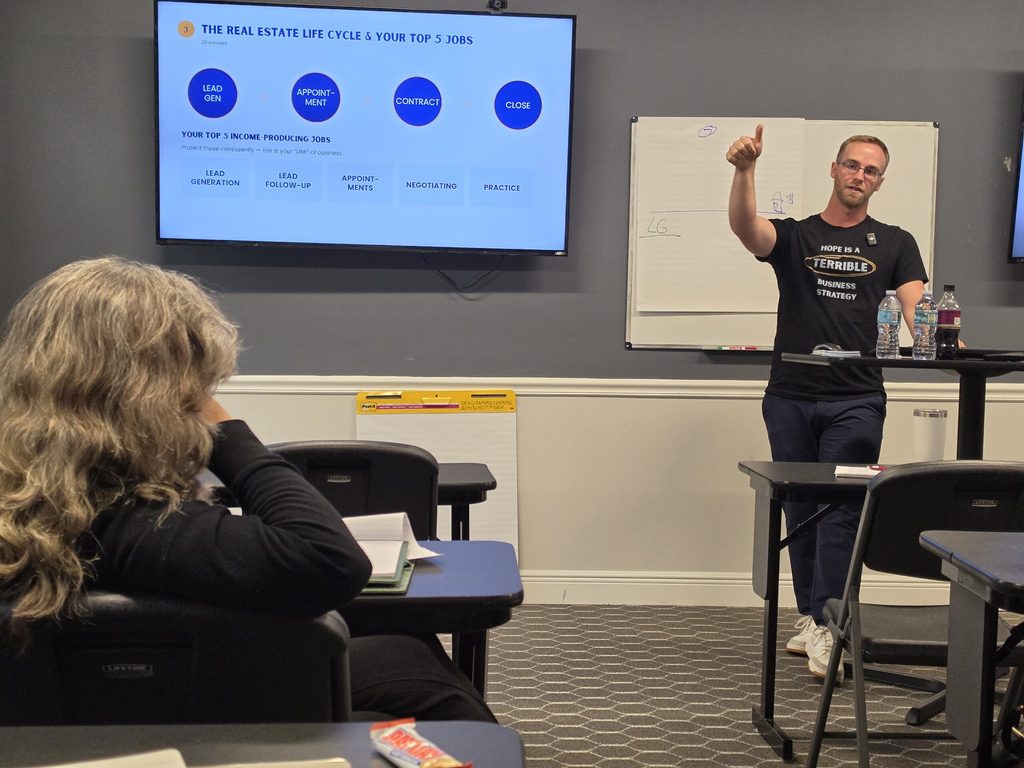
Once authorized to practice, start with a manageable approach to meeting potential clients. Let existing contacts know what you do and where you work, without pressuring them to buy or sell. Ask about their questions and listen for genuine needs. When considering how to get into real estate, choose relationship-building activities you can repeat rather than immediately paying for several unfamiliar marketing channels.
Create a place to record contact details, conversation notes, and an agreed next step. A customer relationship management system can organize this information and prompt future follow-up. The guide explaining CRM systems in real estate describes how contacts, reminders, and sales stages fit together. Keep records relevant to the relationship and follow your brokerage’s procedures for handling personal information.
Begin with a small routine you can maintain alongside training and client work. You might schedule personal check-ins, participate in community activities, or assist with approved open houses. Discuss outreach methods and messaging with your broker first. Learning how to get into real estate is not a contest to collect the most names; aim to start useful conversations and consistently do what you promised.
Give Your First Ninety Days A Practical Structure
After your license is active, use a ninety-day plan as a working framework, not an earnings deadline. Begin by learning the brokerage’s procedures, practicing consultations, setting up records, and studying your chosen area. Ask your mentor to help identify the tasks you should understand before handling a transaction. Schedule time to work on those gaps instead of waiting for a client question to expose them.
During the following weeks, add regular outreach and supervised experience while continuing your training. Track useful activity, such as conversations, appointments, completed follow-ups, and questions resolved. Review these notes weekly with someone experienced. A quiet week should prompt a closer look at your process, not an immediate purchase of another marketing product or an assumption that the career cannot work.
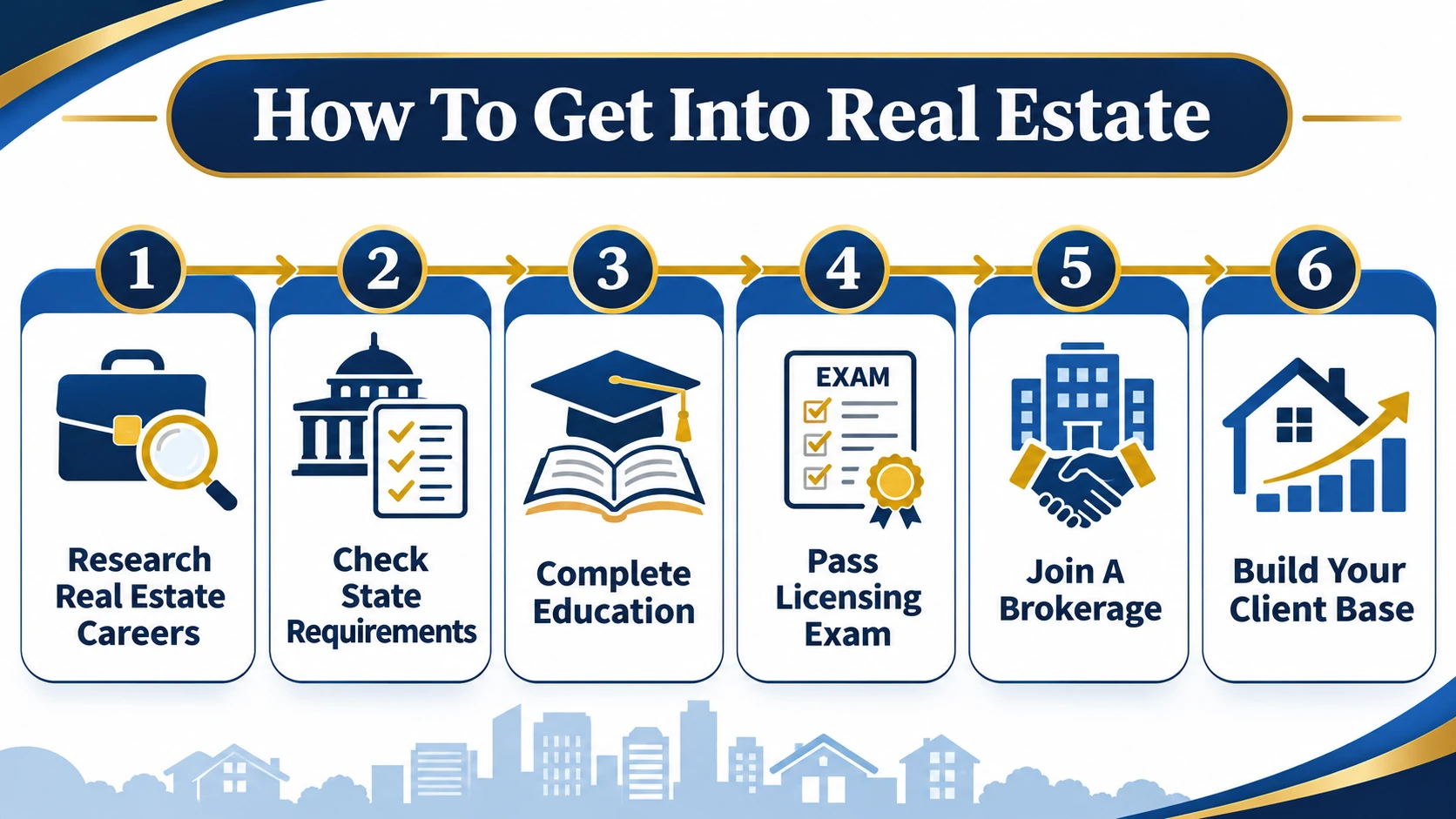
The practical answer to how to get into real estate is a sequence of manageable steps, followed by honest review. At the end of the period, assess your skills, spending, availability, and developing relationships. Adjust what is not working and keep the routines you can sustain. The purpose is to leave yourself better prepared for the next client, not to meet an invented deadline for success.
Conclusion
Learning how to get into real estate starts with choosing suitable work, verifying licensing requirements, and preparing for expenses before income becomes predictable. Compare brokerage support, study your market, practice client conversations, and build a manageable follow-up routine. Together, these steps provide a foundation beyond simply earning a license. Give yourself time to practice before expecting consistent results.
Coach Devin Hazen offers real estate coaching, team training, and resources focused on business habits, relationships, and leadership. For professionals developing their approach, the website guides organizing the work behind a real estate career and turning learning into consistent action.