Buying or selling property involves several important decisions, from evaluating home prices to negotiating contracts and completing closing paperwork. Real estate professionals help clients navigate these responsibilities by providing market information, professional guidance, and transaction support. Among these professionals, Realtors hold a specific designation connected to membership in a national trade association.
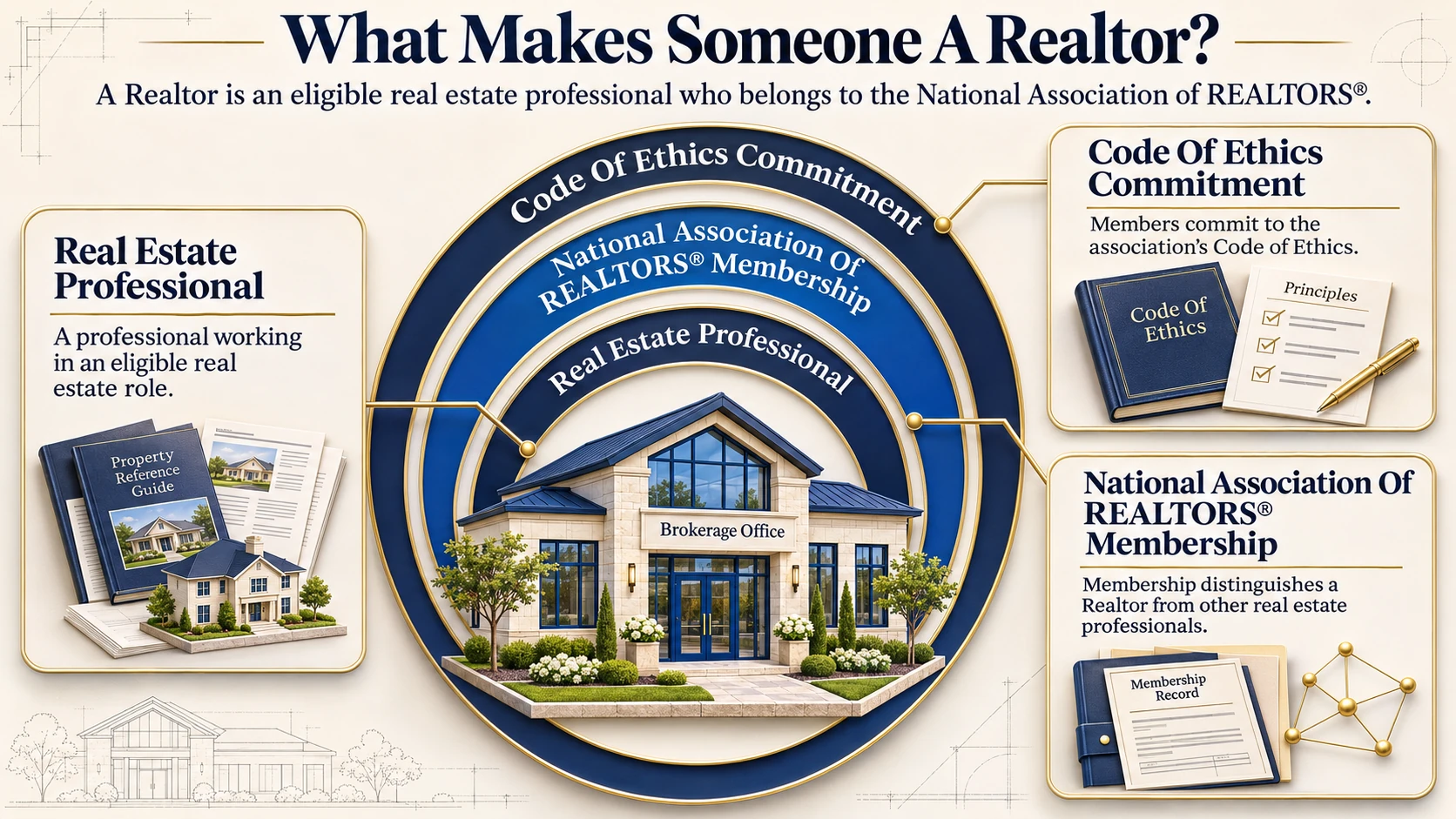
Understanding what is a realtor can help buyers and sellers recognize the distinction between licensed real estate agents and professionals who belong to the National Association of REALTORS® (NAR). Although people often use these terms interchangeably, they do not have the same meaning. A Realtor must meet applicable membership requirements and agree to follow the association’s Code of Ethics.
Realtors work in different areas of the property industry, including residential sales, commercial transactions, property management, and brokerage services. Their responsibilities depend on their licenses, professional roles, and the clients they represent.
The Meaning Of Realtor In Real Estate
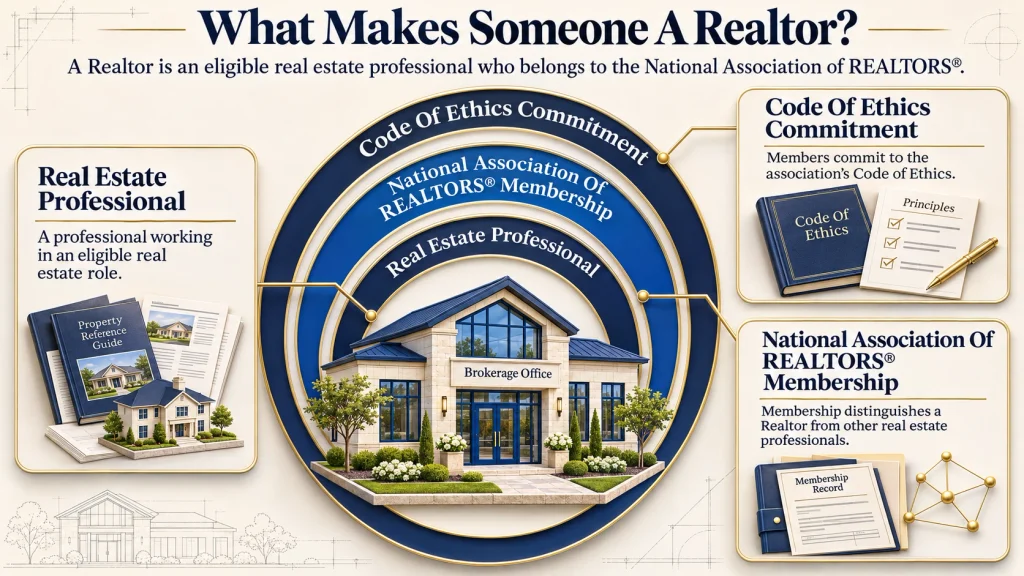
A Realtor is a real estate professional who belongs to the National Association of REALTORS®, a professional trade organization in the United States. Membership is available to eligible real estate professionals, including agents, brokers, and certain other industry specialists. Realtors agree to follow the association’s Code of Ethics, which establishes professional duties involving clients, customers, the public, and other Realtors. The designation identifies association membership rather than a separate government-issued real estate license.
When exploring what is a realtor, it is important to understand that membership does not automatically establish greater experience or guarantee better service. Realtors must still comply with applicable state licensing laws and professional regulations. Their responsibilities vary depending on whether they represent buyers, sellers, landlords, or other clients. Consumers should evaluate a professional’s qualifications, local knowledge, communication, and services rather than assuming that membership alone determines the quality of representation.
How Realtors Help Buyers Find Suitable Properties
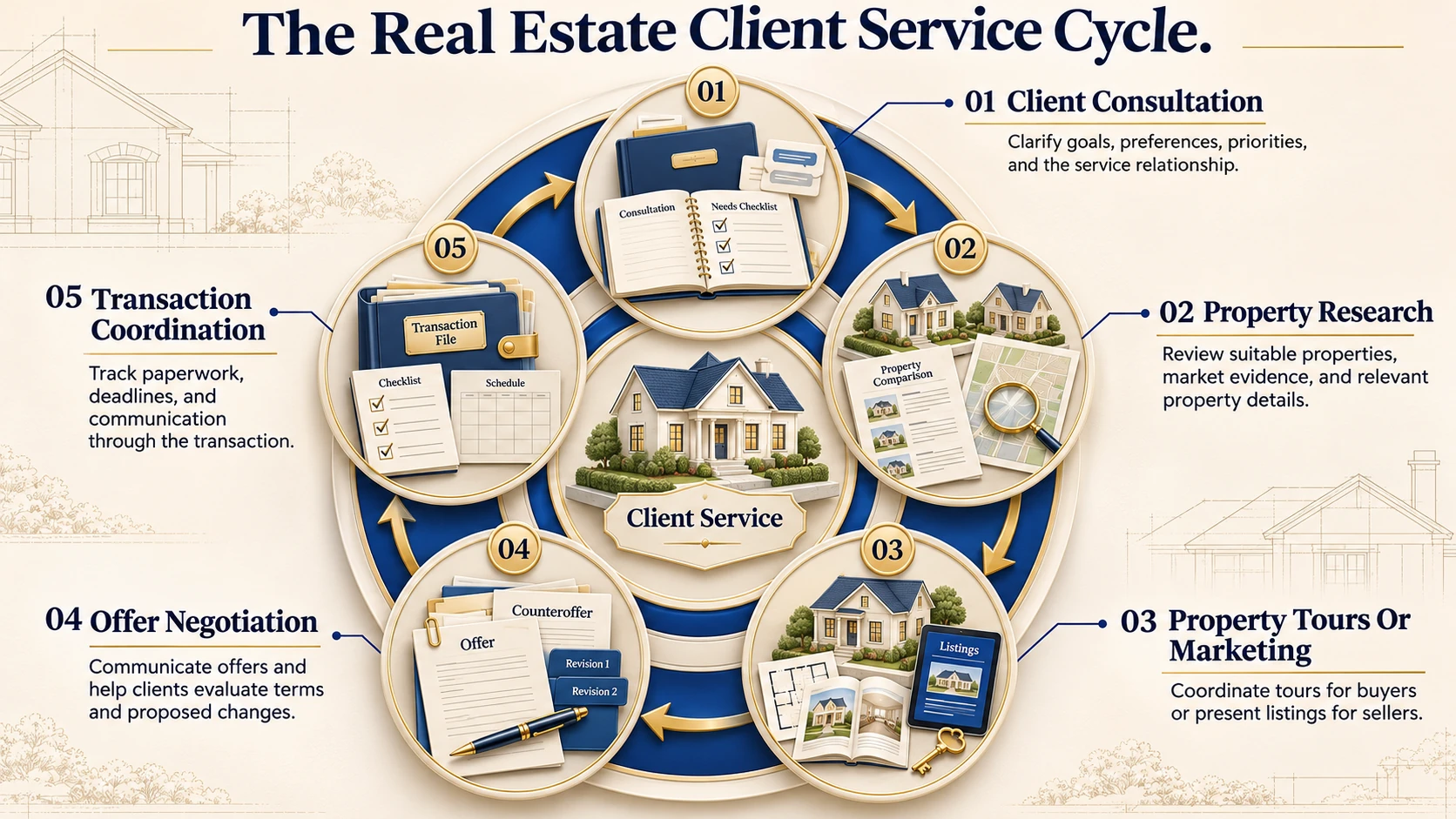
Realtors who represent buyers help identify properties that match their clients’ preferences, budgets, and long-term plans. They begin by discussing desired locations, property features, financial considerations, and purchasing timelines. Using this information, they research available listings, arrange property tours, and help buyers compare suitable homes. They may also explain recent neighborhood sales, market competition, and property characteristics that could influence purchasing decisions. Their role is to provide useful information while allowing buyers to make their own choices.
Another important part of understanding what is a realtor involves recognizing the support provided during purchase negotiations. Realtors help clients prepare offers, review common contingencies, and communicate with listing representatives. They also coordinate with mortgage lenders, inspectors, and settlement professionals when appropriate. Buyers who want to prepare for this process can benefit from learning how to evaluate a real estate professional’s experience and communication style. Having knowledgeable representation can make unfamiliar transaction procedures easier to manage.
How Realtors Assist Homeowners With Selling Property
Selling a home requires careful preparation, realistic pricing, and effective marketing. Realtors help homeowners evaluate comparable sales, current listings, and local market conditions before recommending a listing strategy. They may suggest improvements such as cleaning, minor repairs, staging, or professional photography to strengthen the property’s presentation. Although Realtors provide pricing guidance, homeowners remain responsible for deciding their asking prices and whether to accept offers. Accurate market information helps sellers establish expectations based on current conditions.
Marketing is another significant responsibility. Realtors prepare property descriptions, coordinate photographs, schedule showings, and advertise listings through appropriate channels. Depending on the property and brokerage, these activities may include multiple listing services, real estate websites, and open houses. When considering what is a realtor responsible for during a sale, negotiation and transaction coordination are equally important. Realtors communicate with interested buyers, help sellers review offers, and monitor important deadlines while supporting the homeowner’s objectives.
The Difference Between Realtors, Agents, And Brokers
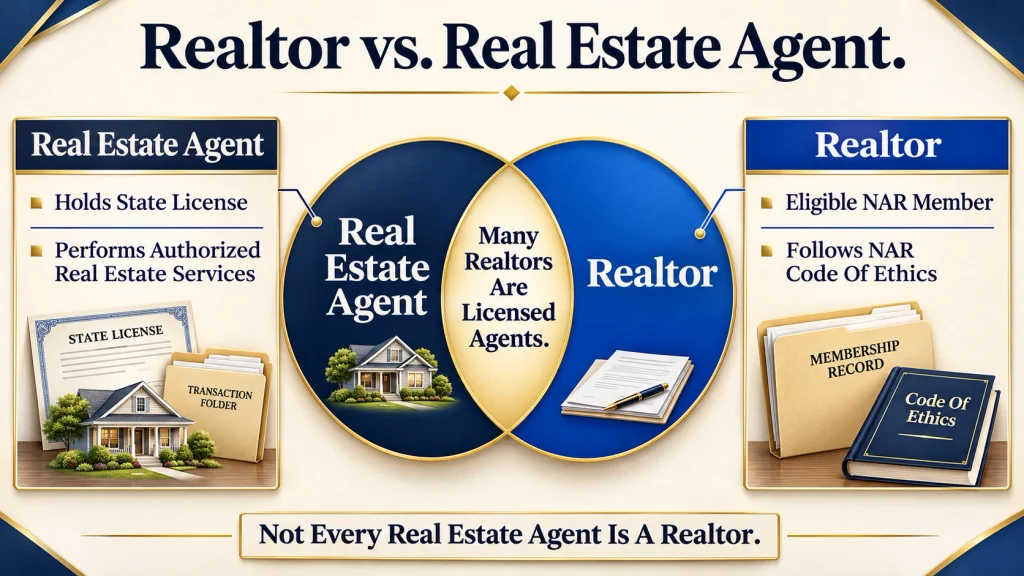
A real estate agent is someone who holds the license required to perform certain real estate activities under state law. A broker generally has additional qualifications and may supervise agents or operate a brokerage, depending on the jurisdiction. Realtor is different because it identifies membership in the National Association of REALTORS®. Therefore, a licensed agent may be a Realtor, but not every licensed agent belongs to the association. Likewise, eligible brokers can become Realtors without changing their government-issued licensing category.
Understanding what is a realtor becomes easier when separating professional credentials from association membership. State licensing authorities establish the legal qualifications required to practice, while professional associations create membership standards. Consumers should confirm that an agent or broker holds an appropriate active license before entering a representation agreement. Experience with similar properties, familiarity with local markets, and the ability to explain transaction procedures are also important considerations when selecting professional assistance.
Professional Standards And Ethical Responsibilities
Realtors must follow applicable state laws and the professional standards established by the National Association of REALTORS®. Its Code of Ethics addresses responsibilities involving honesty, client representation, disclosure, confidentiality, and fair treatment. These standards apply to various real estate activities, including property advertising, negotiations, and communication with other professionals. Realtors must also comply with licensing regulations, even when state requirements differ from association rules. Ethical responsibilities help establish expectations for professional conduct during transactions.
When researching what is a realtor, these professional obligations are an important distinction. Realtors are expected to protect their clients’ interests while treating other parties honestly. The official 2026 Code of Ethics and Standards of Practice explains the requirements established by the association. National Association of REALTORS®
Membership does not eliminate the possibility of disputes or misconduct, but it establishes additional standards and an association-based accountability process. Buyers and sellers should still review representation agreements carefully and communicate their expectations before entering a professional relationship.

How Realtors Earn Money And Manage Transactions
Many Realtors earn income through commissions associated with completed real estate transactions. Compensation arrangements vary and may involve negotiated percentages, flat fees, or other agreed-upon payment structures. Commission rates are not fixed by law, and clients should understand the applicable compensation agreement before signing. Realtors who work as sales agents may also share transaction revenue with their supervising brokerage. Business expenses, including marketing, technology, licensing, and professional memberships, can affect their overall earnings.
Transaction management occupies a considerable portion of a Realtor’s working schedule. Professionals coordinate property appointments, communicate with lenders and inspectors, monitor contract deadlines, and maintain transaction records. Understanding what is a realtor as a career involves recognizing that income may fluctuate with market conditions and completed sales. Realtors must also dedicate time to networking, client communication, and professional education. Strong organizational skills help them manage several responsibilities while maintaining dependable service throughout the buying or selling process.
Choosing A Realtor For Your Property Needs
Selecting a Realtor involves evaluating experience, local market knowledge, communication, and professional qualifications. Buyers should consider whether a prospective representative understands their preferred neighborhoods, budget, and property requirements. Sellers may want to review recent listing experience, pricing strategies, and marketing methods. Asking about previous transactions can provide useful information about the professional’s familiarity with similar properties. Consumers should also verify licensing status through the appropriate state regulatory authority before entering an agreement.
Another consideration when exploring what is a realtor is determining whether the professional’s working style matches your expectations. Ask how frequently you will receive updates, who will manage your transaction, and what services are included in the representation agreement. Discuss compensation, contract duration, and cancellation provisions before signing. A qualified professional should explain these details clearly without pressuring you into an immediate commitment. Comparing multiple candidates can help you select someone whose experience and approach align with your goals.

Conclusion
A Realtor is a real estate professional who belongs to the National Association of REALTORS® and agrees to follow its Code of Ethics. Understanding what is a realtor helps consumers distinguish association membership from state licensing while recognizing the services these professionals provide. Realtors assist with property searches, pricing, marketing, negotiations, and transaction coordination.
Choosing the right professional requires evaluating experience, communication, and knowledge of the local market. For those interested in exploring the real estate profession and developing industry knowledge, Coach Devin Hazen provides resources related to professional development. Whether buying, selling, or considering a real estate career, understanding a Realtor’s responsibilities can help you approach property transactions with clearer expectations and greater confidence.