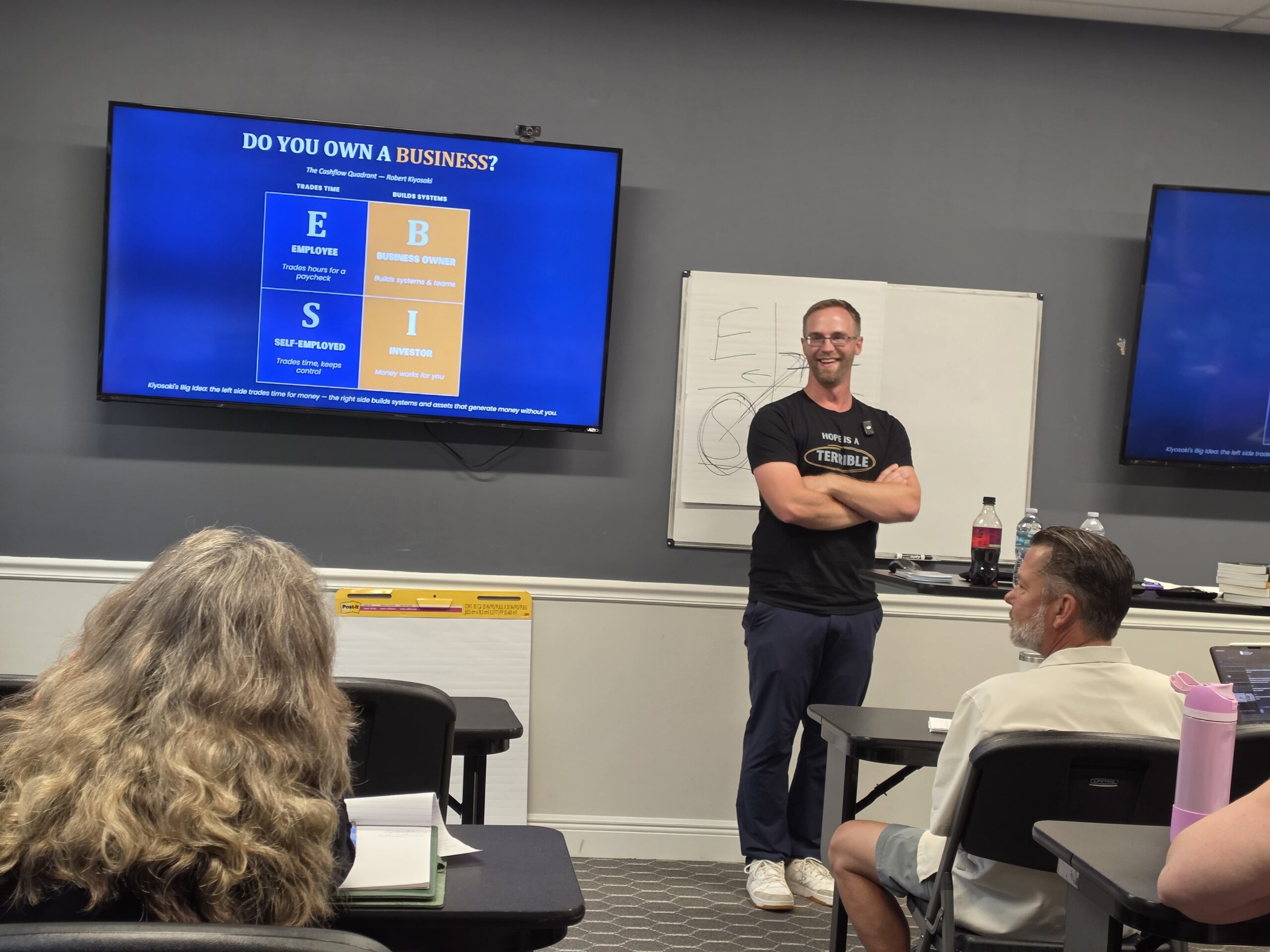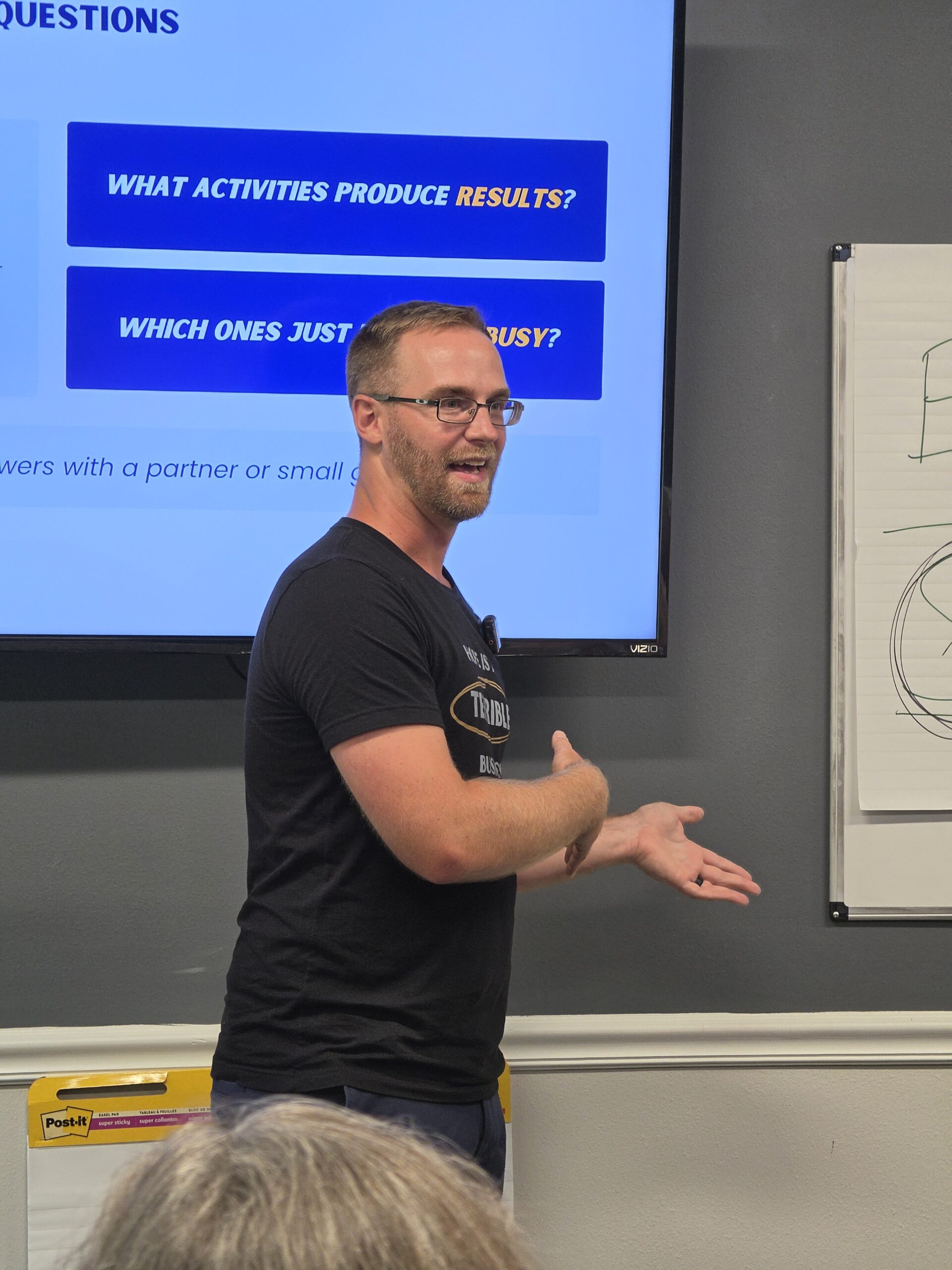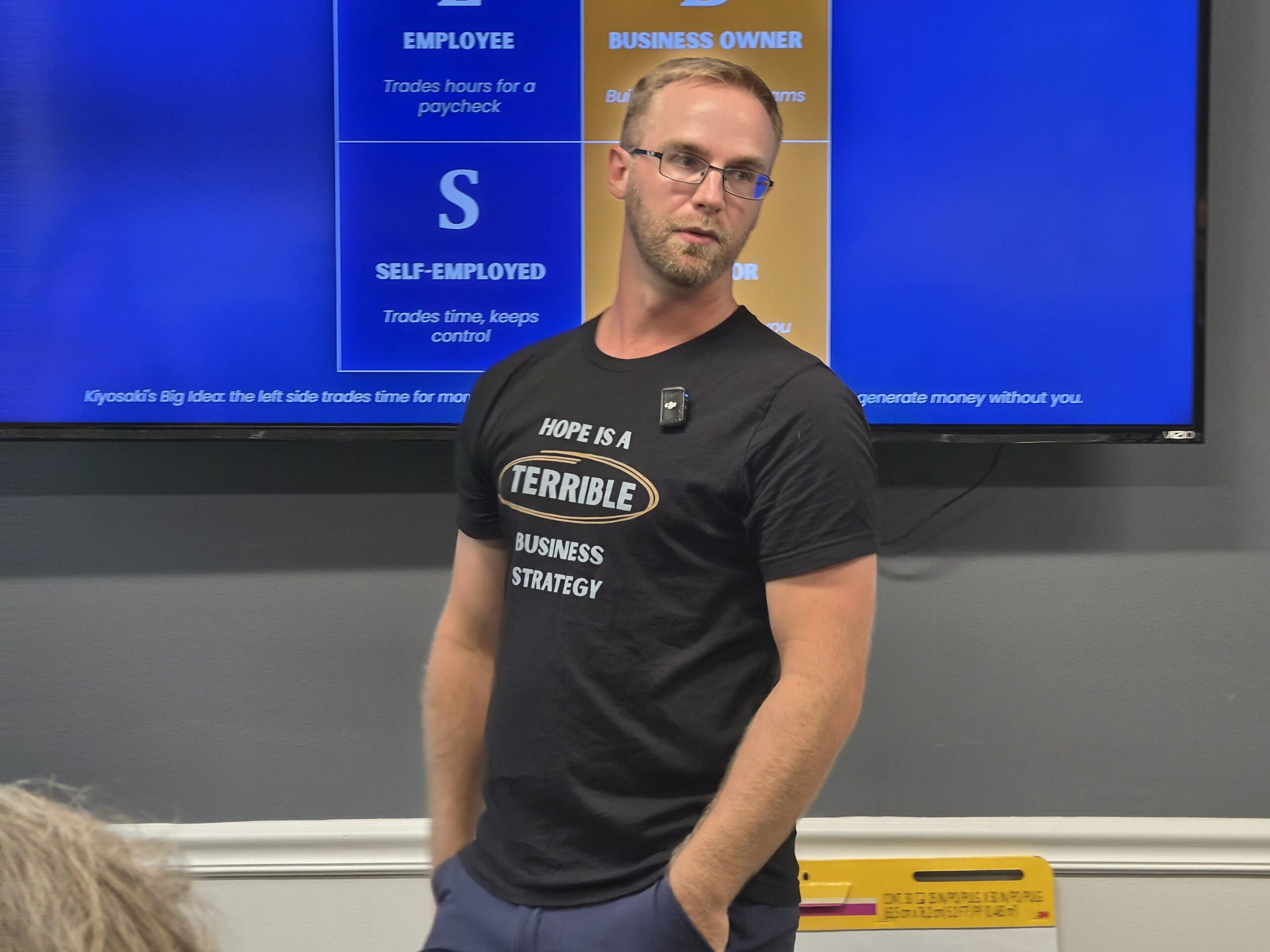
Improving productivity at work starts with creating an environment where employees know what is expected, have the right tools, and can focus on meaningful work without unnecessary friction. Learning how to improve employee productivity is not about pushing people to work faster every hour of the day. It is about improving clarity, communication, priorities, systems, accountability, and support so employees can produce better results with the time and resources available.
Leaders also need to look beyond individual effort. Low productivity can come from unclear goals, too many meetings, poor processes, weak training, conflicting priorities, or tools that slow employees down. A stronger approach examines both the employee and the system surrounding the employee. When those areas improve together, productivity becomes easier to sustain.
Set Clear Goals And Expectations
One of the most effective ways to improve employee productivity is to make sure everyone understands what success looks like. Employees can lose significant time when priorities are vague, responsibilities overlap, or managers regularly change direction without explaining why. Clear expectations help people decide what deserves attention first and what can wait.
Goals should connect daily work to a larger outcome. Instead of telling employees simply to “do more,” managers should explain which results matter, how performance will be evaluated, and what deadlines apply. This gives employees a clearer target and reduces the amount of time spent guessing what managers want.
Managers learning how to improve employee productivity should also avoid giving every task the same level of urgency. When everything is labeled important, employees struggle to prioritize. A short list of clearly ranked objectives gives teams a better chance of completing high-value work before lower-priority tasks take over the day.
Reduce Unnecessary Distractions And Busywork
Productivity often declines because employees spend too much time on activities that look productive without contributing much to the final result. Repetitive reporting, unnecessary approvals, excessive meetings, constant notifications, and duplicated tasks can quietly consume large portions of the workday.
A useful step in how to improve employee productivity is reviewing the workflow itself. Leaders should ask whether every meeting needs to happen, whether every report is still useful, and whether certain tasks can be simplified or automated. Removing one unnecessary process may create more improvement than telling employees to work harder.
The U.S. Bureau of Labor Statistics describes labor productivity as the relationship between output and hours worked. Its productivity overview also notes that productivity can be influenced by factors such as managerial skills, work processes, technology, and workforce experience. This reinforces an important point: productivity depends on the quality of the system, not just the amount of effort employees provide.
Give Employees The Right Tools And Training
Employees cannot perform efficiently when they lack the tools, information, or training required to complete their responsibilities. Slow software, confusing systems, limited access to information, or outdated procedures can create delays that employees have little control over. Managers should regularly identify where those obstacles exist.
Training also plays a major role in how to improve employee productivity. New employees need enough guidance to become confident in their responsibilities, while experienced employees may need additional training when processes, technology, or expectations change. Good training reduces errors and helps employees solve routine problems independently.
The goal should be practical improvement rather than training for its own sake. Managers should focus on the skills employees actually need to perform better. When people know how to use their tools properly and understand the process behind their work, they can complete tasks with less confusion and fewer interruptions.
Improve Communication Between Managers And Employees
Poor communication creates delays, duplicated work, mistakes, and frustration. Employees may spend hours working on something only to discover that priorities changed or that another person was already handling the same task. Consistent communication helps prevent those situations.
An important part of how to improve employee productivity is making communication clear without creating constant interruptions. Managers should provide enough information for employees to move forward while avoiding unnecessary check-ins that break concentration. Regular updates, organized project systems, and clear decision-making channels can support this balance.
Employees should also feel comfortable asking questions when instructions are unclear. A workplace where people are afraid to ask for clarification can create more mistakes and rework. Managers who respond constructively to questions help employees solve problems earlier instead of allowing uncertainty to grow into larger issues.
Give Employees More Ownership Of Their Work
Micromanagement can reduce productivity because employees spend more time waiting for approval and less time making progress. When qualified employees have appropriate authority to make routine decisions, work can move more quickly and managers can focus on higher-level responsibilities.
Learning how to improve employee productivity therefore includes knowing when to step back. Employees still need clear goals and accountability, but they do not necessarily need detailed instructions for every small action. Giving people ownership over how they complete their work can encourage stronger problem-solving and greater responsibility.
Autonomy works best when expectations are clear. Employees should know which decisions they can make independently and when they need to involve a manager. This creates a practical balance between freedom and control. Employees gain room to work efficiently, while leaders still maintain visibility over important decisions and outcomes.

Use Feedback And Recognition More Effectively
Employees perform better when they understand what they are doing well and where they need to improve. Feedback should therefore be specific, timely, and connected to actual performance. General comments such as “work harder” provide very little direction and can leave employees unsure about what needs to change.
Managers considering how to improve employee productivity should use feedback as an ongoing tool rather than waiting for an annual review. Short conversations throughout the year can help correct problems before they become habits. They also give employees opportunities to discuss obstacles that may be affecting their performance.
Recognition matters too. Employees who consistently produce strong work should know that their contribution is noticed. Recognition does not always need to involve money or formal awards. Acknowledging reliable performance, improvement, teamwork, or problem-solving can reinforce the behaviors the organization wants to see more often.
Measure Results Instead Of Activity Alone
It is easy to confuse activity with productivity. An employee may send many emails, attend numerous meetings, and work long hours without producing the outcomes that matter most. Strong performance measurement focuses on useful results rather than simply tracking how busy someone appears.
This is another important part of how to improve employee productivity. Managers should identify a small number of meaningful indicators that reflect the work employees are responsible for. Depending on the role, that could include completed projects, response times, quality standards, sales activity, client satisfaction, error rates, or other relevant measures.
Measurement should also help identify problems rather than simply punish poor performance. If several employees struggle with the same task, the issue may be the process rather than the individuals. Leaders who review patterns can make better decisions about training, workload, staffing, tools, or workflow improvements.
Conclusion
Learning how to improve employee productivity requires more than asking employees to work faster. Clear goals, better communication, useful tools, proper training, fewer distractions, meaningful feedback, and stronger accountability all contribute to better performance. The most effective improvements usually come from fixing both employee habits and the systems surrounding their work. Coach Devin Hazen provides coaching, leadership guidance, and practical business resources for professionals who want to improve team performance, strengthen management systems, and create a more focused approach to growth.