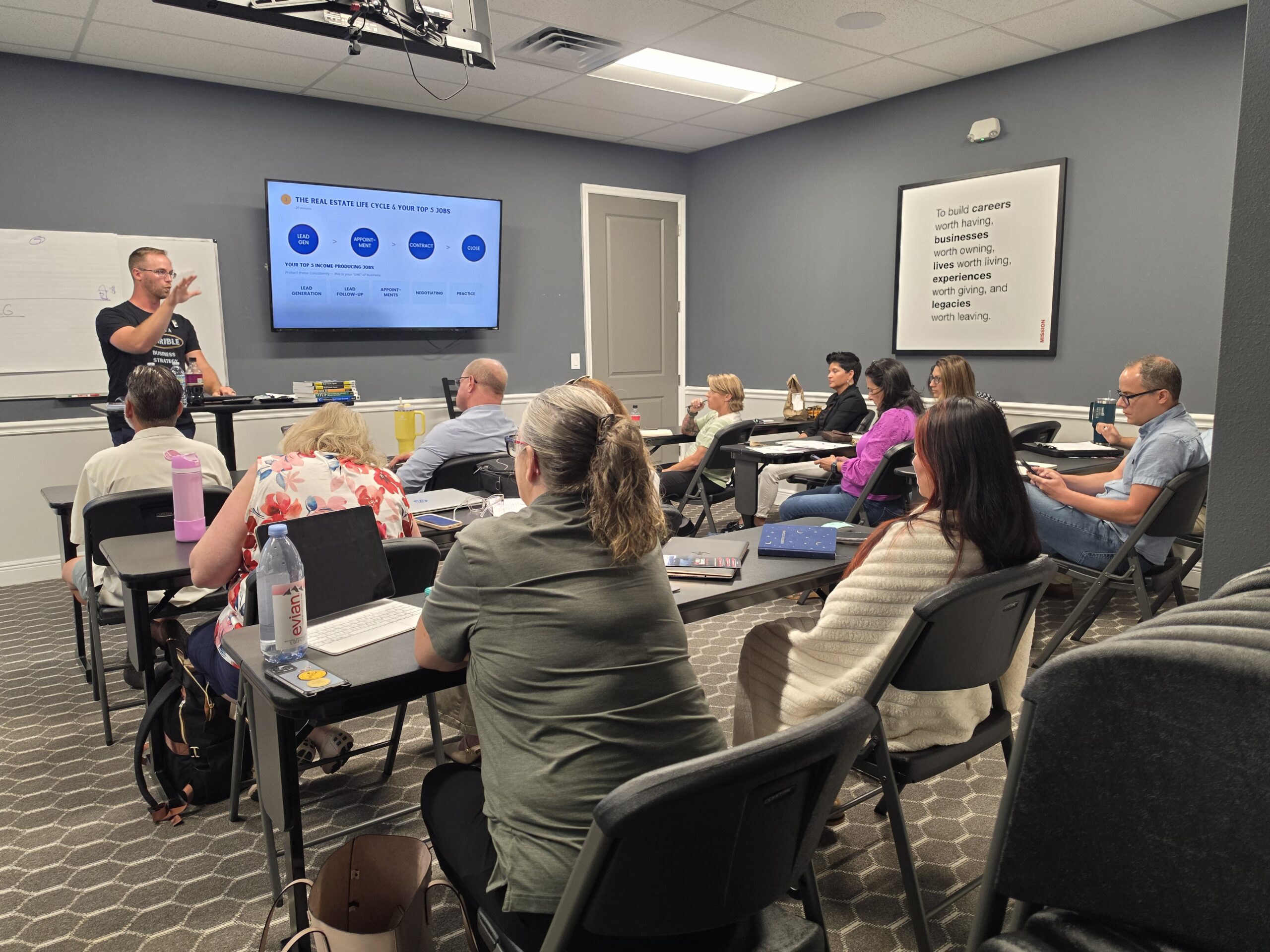
A dependable flow of potential clients is essential for building a real estate business that does not depend on luck or occasional referrals. Agents need ways to meet buyers and sellers, stay visible in their market, create conversations, and keep relationships active until people are ready to move. Learning how to get leads for real estate agents means combining consistent prospecting with referrals, local networking, online visibility, useful content, and organized follow-up.
The strongest approach is usually not one lead source. An agent may meet one future client at an open house, another through a past client, and another through a Google search months before they are ready to buy or sell. A balanced system creates several paths for new opportunities to enter the business and reduces dependence on any single marketing channel.
Define The Clients You Want To Attract
Before spending money or time on marketing, agents should decide who they actually want to reach. Buyers and sellers have different needs, and even those groups contain smaller audiences such as first-time buyers, investors, relocating families, downsizing homeowners, luxury clients, or people interested in particular neighborhoods.
This targeting is an important part of how to get leads for real estate agents because broad marketing often produces broad results. Content created specifically for homeowners considering a sale can answer different questions from content aimed at people purchasing their first property. Clear targeting makes the message more relevant and helps an agent choose better marketing channels.
Agents should also consider where these potential clients spend time and what information they need before choosing an agent. The U.S. Small Business Administration provides useful marketing and sales guidance covering target markets, competitive advantages, marketing channels, and sales planning. Applying the same principles to a real estate business can make lead generation more focused instead of simply trying every available tactic.
Make Prospecting A Regular Business Activity
Prospecting remains one of the most direct ways to start new real estate conversations. Agents can connect with potential clients through phone calls, neighborhood outreach, networking, open houses, past contacts, community relationships, and other forms of direct communication.
For professionals learning how to get leads for real estate agents, consistency matters more than occasional bursts of activity. Prospecting heavily for one week and then stopping for a month creates an unpredictable pipeline. Setting aside regular time each week makes it easier to generate conversations while current transactions are still moving forward.
The approach should remain useful rather than aggressive. Good prospecting involves asking questions, listening, and identifying whether a genuine real estate need exists. Someone who is not ready today may still become a client several months later. The goal is to begin relationships and identify opportunities instead of trying to force every conversation into an immediate appointment.

Generate More Business Through Referrals
Referrals can become an especially valuable lead source because the new prospect often hears about the agent from someone they already trust. Past buyers and sellers, friends, family members, community contacts, and professional connections can all introduce agents to people who need real estate assistance.
A strong referral strategy is another practical answer to how to get leads for real estate agents. Instead of contacting past clients only when asking for business, agents should maintain relationships throughout the year. Occasional market information, homeowner resources, personal check-ins, and useful local updates can keep the connection active without creating constant sales pressure.
Professional relationships matter as well. Lenders, contractors, attorneys, insurance professionals, property managers, and other local service providers often interact with homeowners and buyers. Genuine relationships with these professionals can create introductions over time. The objective is not to collect as many referral partners as possible, but to become someone people trust enough to recommend.
Use Your Website To Capture Search Demand
Potential buyers and sellers often search online before contacting an agent. They may research neighborhoods, selling preparation, buying steps, property values, financing questions, or what to expect during a transaction. A useful real estate website can meet people during this research stage.
Understanding how to get leads for real estate agents through search starts with creating content around real client questions. Local service pages, neighborhood resources, buyer guides, seller articles, and educational blog posts can provide more entry points than a website consisting only of an agent biography and contact page.
The content should also give visitors a logical next step. That might be requesting a consultation, asking a question, joining a useful email list, or contacting the agent about a property. Agents working on seller-focused content can review Coach Devin Hazen’s guide on how to write a real estate listing that attracts serious buyers for additional insight into presenting property information in a way that supports stronger marketing.
Turn Open Houses Into Relationship Opportunities
Open houses can serve two purposes. They help market the property, but they can also introduce agents to buyers, neighbors, homeowners, and people who are still early in the moving process. The value comes from having meaningful conversations instead of simply counting visitors.
Agents considering how to get leads for real estate agents should prepare a simple process for open-house follow-up. During the event, learn what visitors are looking for, whether they already have representation, what areas interest them, and whether they have questions about the local market. These details create a reason for future communication.
Neighbors can also become valuable contacts. Someone may attend because they are curious about the home, but that curiosity may be connected to plans to sell their own property later. Agents should avoid assuming every visitor is an immediate lead. A helpful interaction followed by appropriate communication can create a future client even when no immediate transaction exists.

Create Content That Starts Useful Conversations
Social media can support lead generation when the content answers questions rather than simply advertising services. Buyers and sellers may be interested in local market changes, neighborhood information, showing preparation, common transaction steps, property features, or mistakes that can complicate a move.
Content is particularly useful when working on how to get leads for real estate agents because it allows agents to demonstrate knowledge before a prospect contacts them. Someone may watch several videos, read several articles, or follow local updates for months before becoming ready to speak with an agent.
Agents do not need to publish everywhere. It is usually better to choose platforms that fit the target audience and maintain a realistic schedule. Content can also direct people back to useful resources on the agent’s website. Over time, this combination of visibility and education can create conversations with prospects who already have some familiarity with the agent’s approach.
Build A Follow-Up System For Every Lead
Generating a lead is only the beginning. Many real estate prospects are not ready to make a decision immediately, which means opportunities can be lost if there is no organized system for maintaining contact. A spreadsheet may work at a very small scale, but a CRM becomes increasingly useful as the database grows.
Follow-up is one of the most important parts of how to get leads for real estate agents because the timing of a real estate decision can change. A buyer may need time to prepare financially. A homeowner may postpone a sale. Someone relocating may still be waiting for a job decision. Recording those circumstances helps agents reconnect at a more relevant time.
Follow-up should have a purpose whenever possible. Share a suitable property, provide a market update, answer an earlier question, or ask whether the person’s plans have changed. Agents developing their broader professional systems can also read Coach Devin Hazen’s guide on how to become a REALTOR® for additional guidance on building the habits and structure needed for a sustainable career.
Measure Which Lead Sources Actually Work
Agents can spend substantial time on social media, advertising, networking, email, open houses, referrals, and prospecting without knowing which activities produce real business. Tracking results makes it easier to separate productive marketing from activity that simply feels busy.
Anyone serious about how to get leads for real estate agents should record where leads originate and what happens next. Did the person respond? Was an appointment scheduled? Did the prospect become a client? Did the relationship eventually produce a closed transaction or referral? Looking at the entire journey provides more useful information than counting leads alone.
This analysis can also reveal where the real problem exists. If many leads are generated but few respond, the initial outreach may need improvement. If conversations happen but few appointments are scheduled, the conversion process deserves attention. When agents treat how to get leads for real estate agents as a measurable system, they can improve successful channels instead of constantly replacing one marketing tactic with another.

Conclusion
Learning how to get leads for real estate agents requires consistent prospecting, referrals, useful content, local visibility, open-house conversations, and disciplined follow-up. The strongest pipeline usually comes from combining several dependable channels and measuring which ones create genuine client opportunities. Coach Devin Hazen provides real estate coaching, training, and practical resources for agents who want to strengthen their lead-generation systems, improve daily business habits, and build a more consistent real estate business.